Vinyl flooring has experienced a dramatic resurgence in popularity over the past decade, transforming from a utilitarian standby into a top-tier choice for modern interior design. This widespread adoption spans both residential and commercial sectors, driven by a unique blend of visual appeal, exceptional durability, and long-term cost-effectiveness. Property owners across the country are choosing vinyl because it strikes an ideal balance between daily practicality and sophisticated aesthetics. Thanks to rapid technological advancements in manufacturing, contemporary vinyl replicates the rich grain of natural hardwood and the organic texture of stone without the associated maintenance demands or high price tags. Understanding why this material continues to dominate the market requires exploring its financial benefits, design versatility, resilience, ease of care, environmental strides, and installation flexibility.
1. Cost-Effectiveness and Affordability
One of the primary reasons vinyl flooring continues to lead market sales is its remarkable cost-effectiveness. When compared to luxury alternatives like solid hardwood, natural slate, or imported ceramic tile, vinyl presents a significantly more budget-friendly option. The initial purchase price of vinyl materials is generally much lower, making high-end interior aesthetics accessible to budget-conscious homeowners. However, the overall financial value extends far beyond the initial transaction at the retail counter. Over time, the substantial savings associated with this flooring category allow it to compete aggressively against traditional building materials while delivering a superior return on investment for property owners.
Installation expenses for vinyl are also notably lower than those for natural stone or hardwood. The lightweight nature of the material, combined with modern engineered backing systems, allows for faster and more straightforward placement. Experienced do-it-yourself enthusiasts often find they can lay down vinyl planks or tiles independently, eliminating labor fees entirely and further reducing project costs. Additionally, vinyl often requires less invasive subfloor preparation, which helps keep overall remodeling expenses under control.
The long-term financial benefits are further reinforced by the minimal upkeep and robust wear resistance of vinyl products. Its inherent ability to absorb daily foot traffic without scratching or gouging reduces the need for costly professional repairs, refinishing, or early replacement. Furthermore, the insulating properties of multi-layer vinyl can enhance indoor thermal efficiency, helping to stabilize household heating and cooling expenses. A thorough cost-versus-value analysis consistently reveals that vinyl yields exceptional long-term functionality relative to the capital invested.
2. Versatility in Design
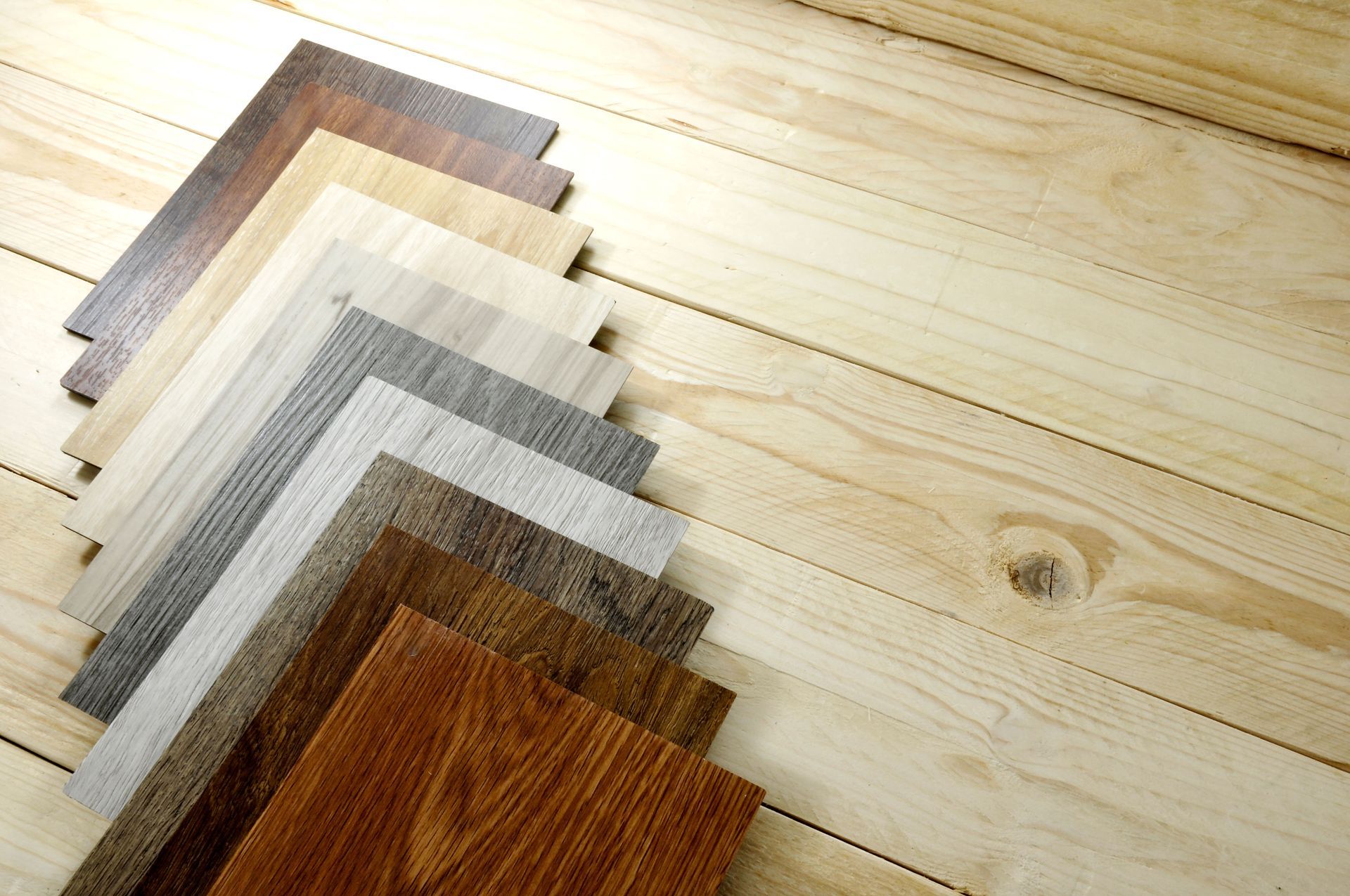
Design versatility stands as another compelling reason for the enduring popularity of vinyl products. Today, consumers can choose from an expansive array of colors, patterns, grain structures, and surface textures, providing endless opportunities for custom interior design. Whether a project calls for a sleek contemporary finish, a rustic farmhouse aesthetic, or a classic traditional look, there is a vinyl style tailored to fit that exact vision. This broad variety enables property owners to express their personal style while choosing products that seamlessly harmonize with existing furniture and architectural elements.
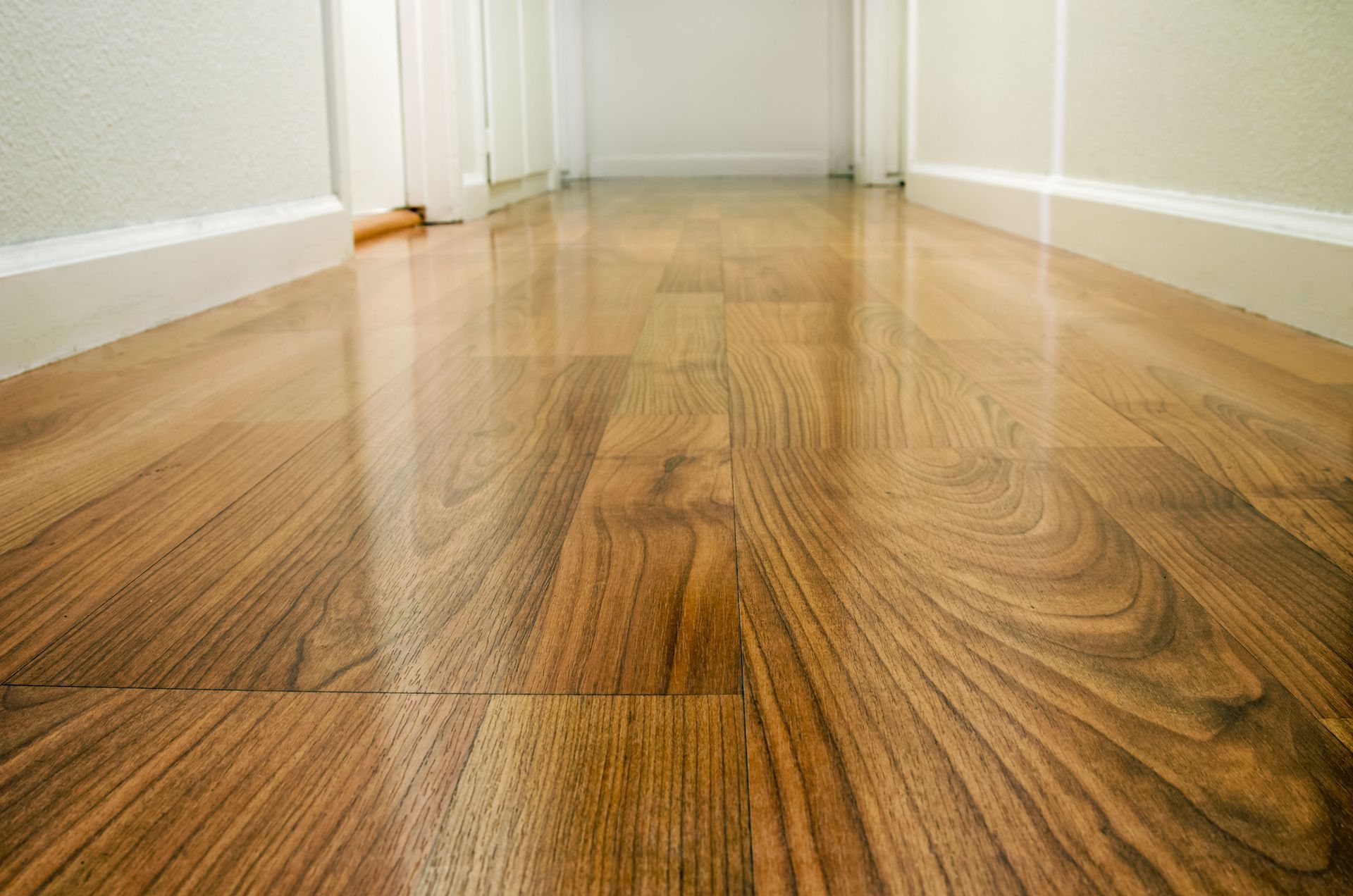
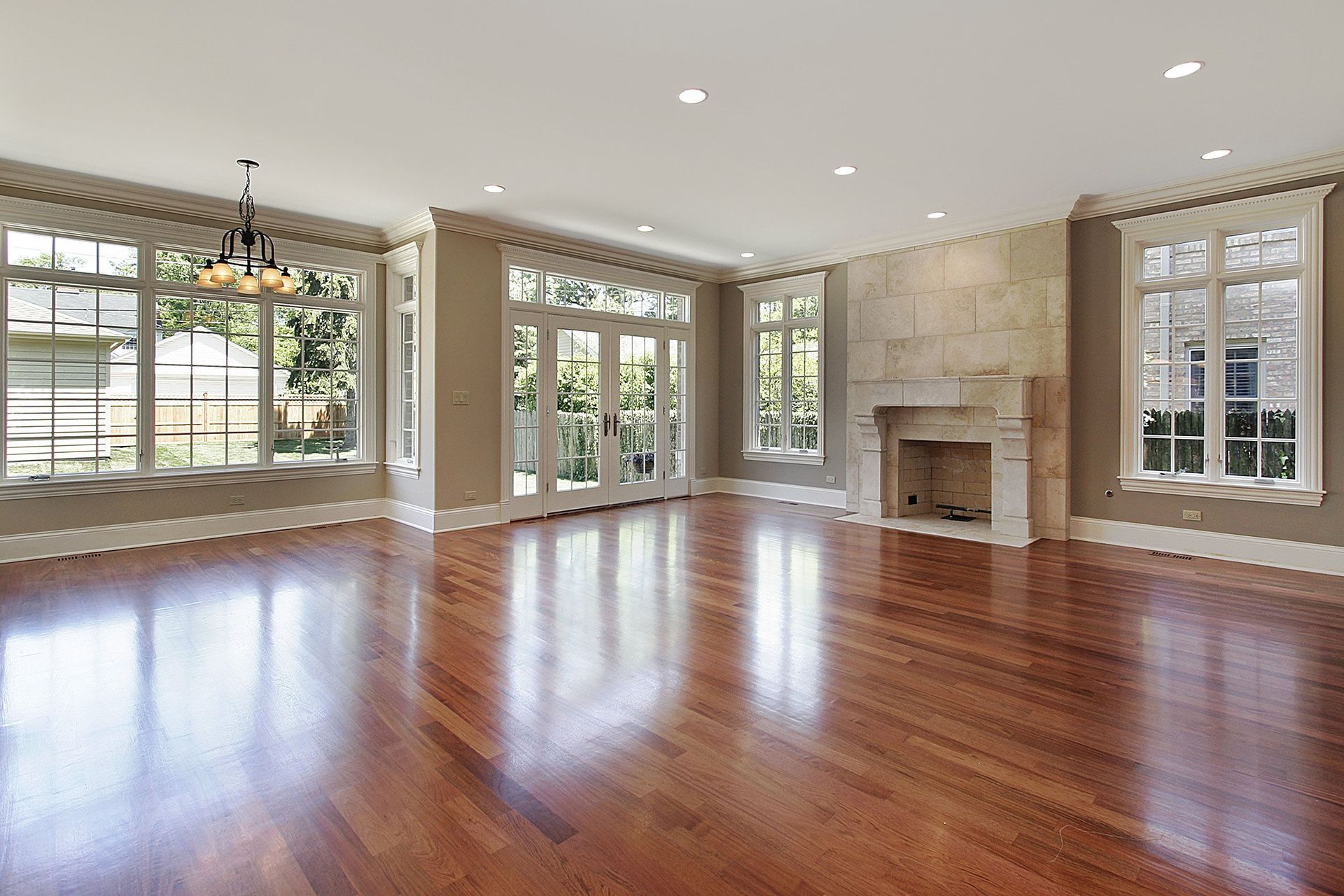
Technological innovations in high-definition printing and surface embossing have elevated vinyl to unprecedented levels of realism. Modern manufacturing processes incorporate registered-in-emboss technology, where the physical texture of the wear layer perfectly matches the visual wood grain or stone pattern underneath. These ultra-realistic designs allow homeowners to enjoy the warm, rich appearance of exotic hardwoods or natural travertine without the functional drawbacks or high costs. The ability to mimic luxury materials while offering superior resilience makes vinyl a standout option for modern interior spaces.
This design adaptability makes vinyl an ideal foundation for evolving home decor trends. Because vinyl coordinates effortlessly with diverse color palettes and architectural styles, homeowners can update wall colors or furniture pieces without needing to replace their base surfaces. Customization extends beyond visual patterns to include matte, satin, or high-gloss finishes, as well as bevel-edged planking for added dimension. Continuous innovation ensures that vinyl remains stylish, contemporary, and aligned with modern interior trends.
3. Durability and Longevity
The structural durability of vinyl is a central factor driving its widespread adoption in high-traffic environments. Constructed with dense core layers, fiberglass reinforcement, and clear polyurethane wear layers, vinyl is built to resist heavy daily wear. This multi-layered construction enables the surface to handle heavy foot traffic, rolling chairs, and dropped objects without losing its structural integrity or pristine visual appeal. The sheer longevity of modern vinyl minimizes the need for frequent surface replacements, protecting the homeowner's long-term capital investment.
Vinyl's exceptional resistance to moisture, impact, and surface abrasion makes it uniquely suited for challenging residential environments. Unlike traditional hardwood, which swells and warps when exposed to standing water, vinyl maintains its dimensional stability even in humid settings. This makes it an ideal choice for areas prone to spills, such as kitchens, mudrooms, and basements. According to Gitnux, 55% of homeowners choose vinyl plank flooring for their bathrooms, reflecting a strong consumer preference for moisture-resistant solutions in wet environments. This inherent water resistance significantly enhances the appeal of vinyl as a reliable, high-performance material.
In busy commercial spaces and active households with children or pets, vinyl delivers long-lasting stability that outperforms many traditional surface choices. The protective wear layer acts as a shield against dog claws, dragged furniture, and heavy foot traffic, maintaining a pristine finish over years of continuous use. Manufacturing warranties frequently back up these performance claims, giving buyers long-term confidence in the material's durability and structural integrity.
4. Ease of Maintenance
Simple daily care requirements make vinyl one of the most convenient choices available for modern homes. Routine cleaning demands minimal effort and basic household tools. Sweeping regularly with a soft-bristle broom to remove loose grit, followed by an occasional damp mopping with a neutral cleaner, is generally all that is required to keep the surface looking brand new. This low-maintenance profile appeals directly to busy families and commercial facility managers who need to maintain clean, attractive spaces without spending excessive time or money on specialized care regimes.
The non-porous nature of vinyl provides built-in stain and liquid resistance, allowing it to withstand daily household accidents effortlessly. Spilled coffee, wine, oils, and pet messes remain on the surface rather than soaking into the subfloor, ensuring quick, hassle-free cleanup. This protective barrier makes vinyl an outstanding alternative for spaces where moisture and food spills are routine occurrences. In high-activity households, this stain resistance offers invaluable peace of mind day after day.
5. Environmental Considerations
In today’s residential design market, environmental sustainability plays a major role in consumer choices, and the vinyl manufacturing industry has made remarkable eco-friendly progress. Over recent years, leading manufacturers have overhauled production practices to reduce energy consumption and lower carbon emissions. Advanced research and development have introduced sustainable plasticizers and bio-based materials into the manufacturing pipeline, creating cleaner products that support global environmental goals.
Improvements in post-consumer recycling initiatives have also transformed the lifecycle of vinyl building materials. Old vinyl planks and manufacturing cut-offs are increasingly reclaimed and processed into new building products, preventing usable materials from entering local landfills. Furthermore, many modern vinyl lines incorporate significant amounts of recycled content, helping to conserve natural resources and lower total embodied carbon. These circular economy practices allow eco-conscious buyers to select vinyl with greater confidence.
Vinyl flooring maintains its position as a dominant force in the global building materials industry thanks to its winning combination of affordability, design versatility, durability, easy maintenance, eco-conscious manufacturing, and installation flexibility. It seamlessly bridges the gap between luxury aesthetics and practical daily performance, meeting the diverse demands of modern property owners. As manufacturing technology continues to advance, vinyl will remain at the dynamic intersection of sustainable design, visual innovation, and long-term durability. To discover the ideal style for your next home improvement project and explore high-quality surface options, contact Floor Factory Outlet today to consult with experienced interior design specialists.