Discovering the perfect flooring material is crucial to enhancing the aesthetic appeal and functionality of your home. Various options cater to distinct needs, preferences, and budgets. When making a decision, homeowners must weigh factors such as cost, durability, and overall design compatibility. By understanding the unique features of each material, you can make informed choices that enhance your space.
Hardwood Flooring
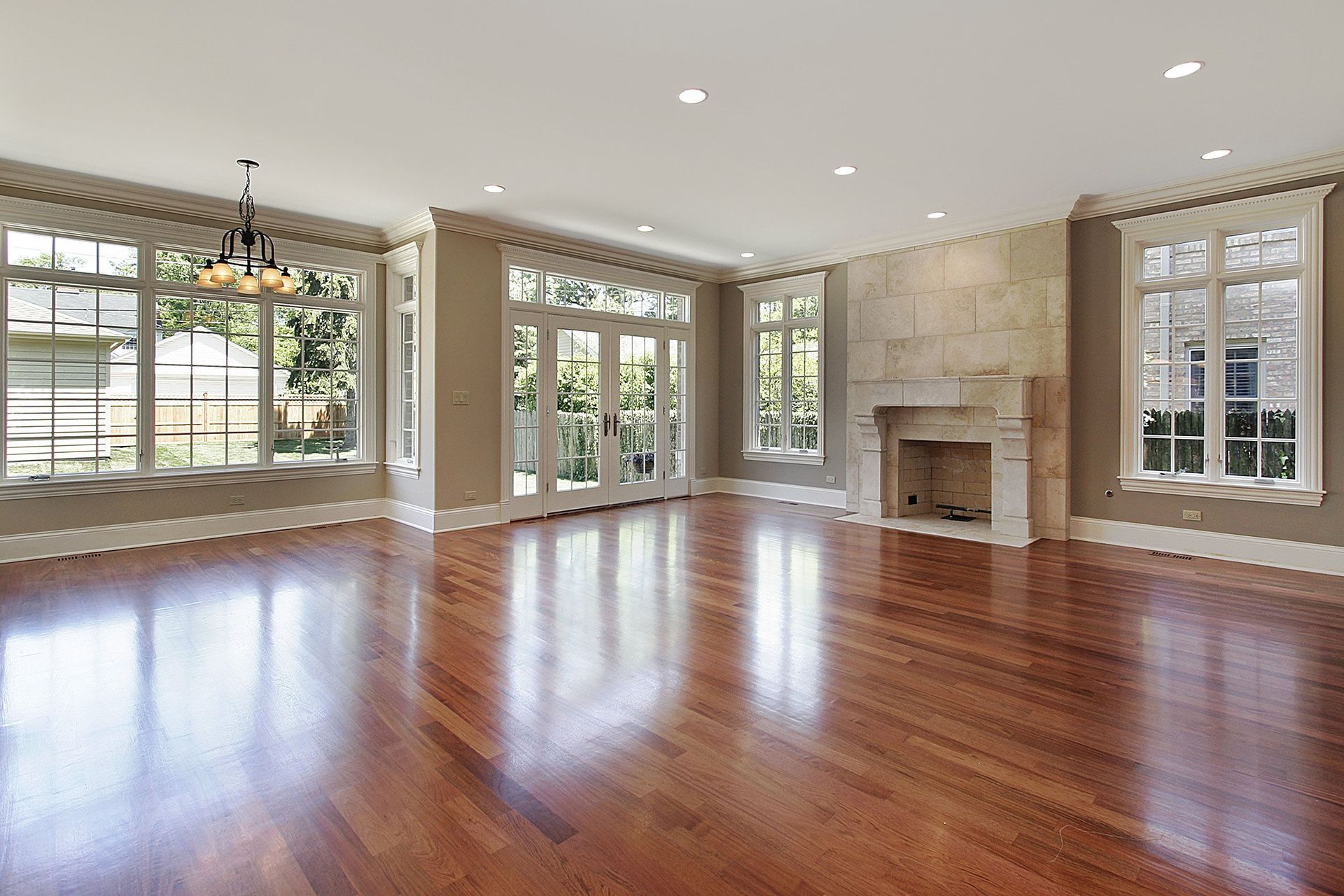
Hardwood flooring is admired for its natural warmth and luxurious appeal, with options available from domestic and exotic species. Oak, maple, and cherry each contribute distinct characteristics, accommodating different interior styles and personal preferences. Selecting the right species involves considering factors like grain, color, and hardness, aligning them with your home's architectural style.
One of the most significant benefits of hardwood is its timeless appeal, which transcends decorating trends and enhances property value. Its durability, attributed to solid wood construction, provides longevity that withstands wear and tear in high-traffic areas. According to Gitnux, 51% of millennials opt for hardwood flooring. The warmth created by these premium materials can enhance the ambiance of living spaces, making them inviting and elegant.
Installing hardwood floors requires precision and preparation, starting with acclimating the wood to the room's climate to prevent future warping. The installation process can vary depending on the hardwood type, with options such as nail-down, glue-down, or click-lock methods. The subfloor condition plays a significant role, requiring a clean, dry, and level surface for installation success.
Maintaining hardwood floors involves routine cleaning practices, such as sweeping or vacuuming, to prevent grit accumulation and potential surface scratches. Spills should be promptly wiped to preserve the wood's finish, as prolonged exposure to moisture can lead to warping. Regularly applying a sealant or finish can protect the wood, enhancing its resistance to stains and wear.
Laminate Flooring
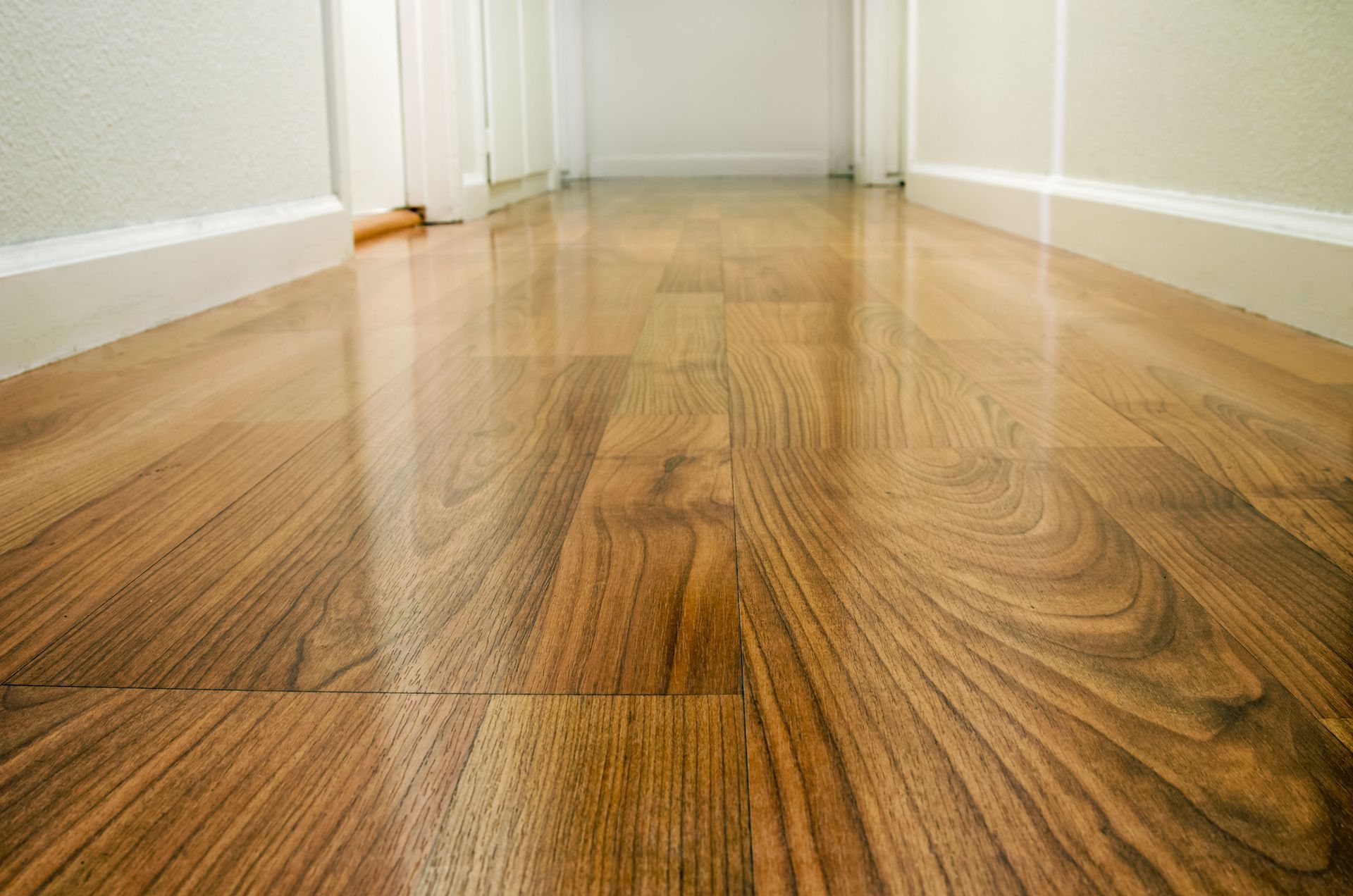
Laminate flooring consists of multiple layers engineered to mimic the appearance of real wood at a more affordable price. The core is typically made of high-density fiberboard, topped with a high-resolution photographic layer that replicates the desired wood grain. A clear protective top layer provides resistance to scratches and wear, enhancing the floor's durability in high-traffic areas.
The affordability of laminate makes it an attractive option for budget-conscious homeowners looking to achieve a stylish look without overspending. Its resistance to scratches and general wear can be particularly beneficial in homes with pets or children. Cleaning laminate is straightforward, typically requiring only a dust mop or a damp cloth to maintain its appearance.
Despite its advantages, laminate flooring may present some drawbacks, the primary one being its sensitivity to moisture. Prolonged exposure to water can cause the boards to swell or warp, making them unsuitable for moisture-prone areas such as bathrooms. Furthermore, it may not add as much value to a home as genuine wood options.
Installing laminate flooring can be a straightforward process, particularly for those comfortable with basic DIY tasks. Begin by ensuring the subfloor is clean and level, which is essential for preventing gaps or uneven boards. Leaving an expansion gap around the room's perimeter is crucial, accommodating natural expansion and contraction due to temperature changes.
Tile Flooring
Tile flooring provides a durable and aesthetically versatile option with several material types, including ceramic, porcelain, and natural stone. Ceramic tiles offer affordability and versatility in design, available in a vast array of colors and patterns. Natural stone tiles, such as marble and granite, lend a luxurious touch, each type boasting unique patterns and textures.
Tile flooring is celebrated for its excellent water resistance, making it an ideal choice for wet or moisture-prone areas like kitchens and bathrooms. Its durability can withstand heavy traffic, reducing the need for frequent replacements and repairs. The ability to conduct heat makes tiles compatible with radiant heating systems, enhancing comfort during colder months.
While offering several benefits, tile surfaces may present some challenges, including the coldness often felt underfoot, which can be uncomfortable in cooler climates. The hardness of tiles might not be as forgiving as softer surfaces, possibly causing discomfort to those standing for prolonged periods. Additionally, the grout lines between tiles can accumulate dirt and require regular cleaning to prevent discoloration.
Tile installation is a meticulous process that often benefits from professional expertise due to the precision required in layout and placement. Preparing the subfloor is crucial, ensuring it is level and free of moisture to prevent future issues with tile adhesion. Grouting completes the process, sealing the spaces between tiles to enhance moisture resistance and neatness.
Maintaining tile involves routine cleaning to preserve appearance and hygiene, generally requiring sweeping or vacuuming followed by mopping with a mild detergent. Sealing grout periodically can enhance its resistance to moisture and staining, prolonging its pristine condition. To prevent scratches, use mats or rugs in high-traffic areas and consider furniture pads under heavy objects.
Vinyl Flooring
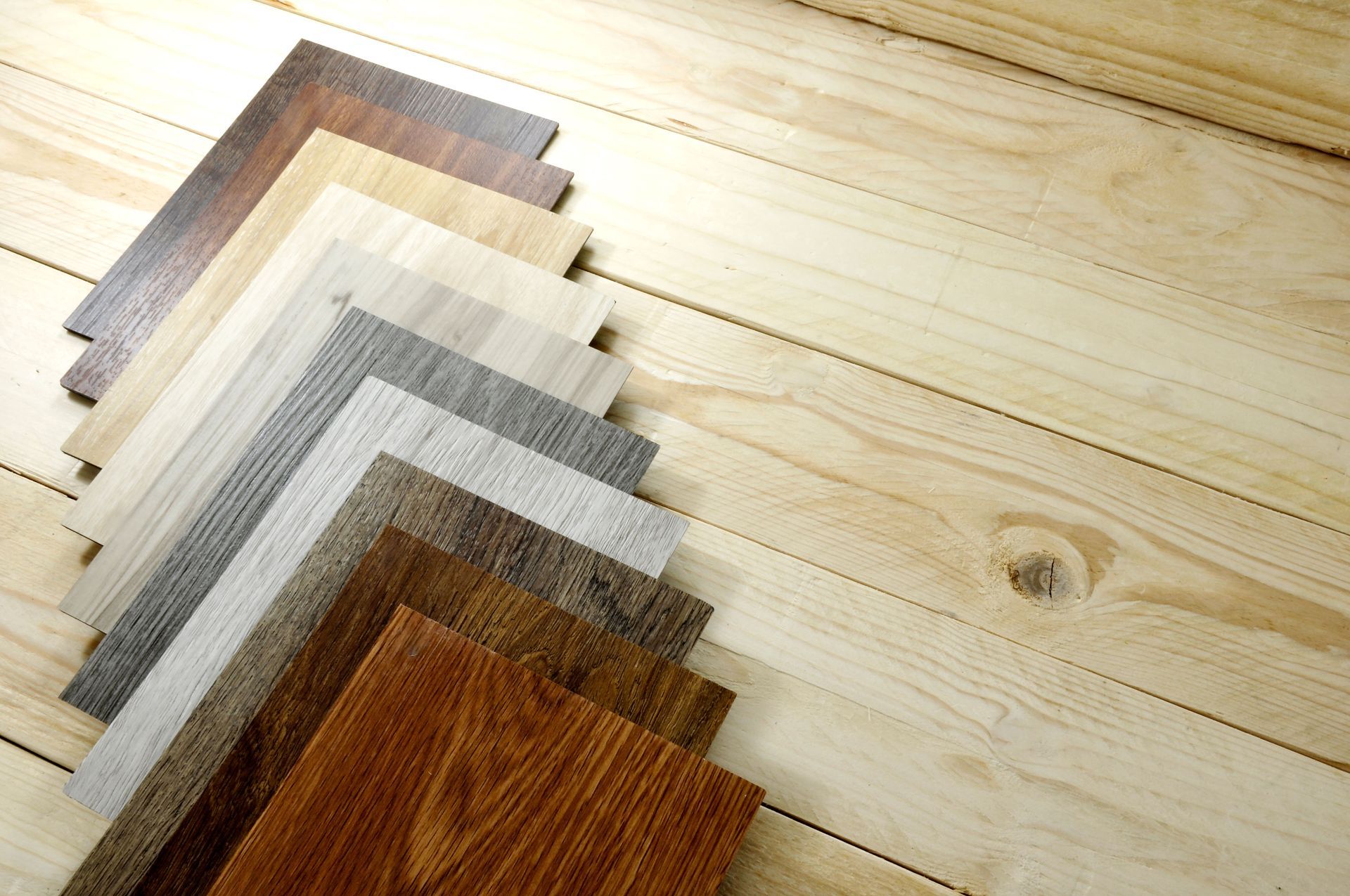
Vinyl flooring is composed of a synthetic polymer core that provides durability and flexibility, topped with a printed design layer to mimic various natural materials. Its layered structure includes a protective topcoat, which offers excellent scratch and stain resistance, ideal for busy households. Underneath, a padded backing contributes to vinyl's comfortable underfoot feel and sound absorption.
Vinyl flooring boasts several benefits that appeal to diverse homeowner needs, including its water-resistant properties, making it ideal for kitchens and bathrooms. Its affordability ensures homeowners can achieve desired aesthetics without straining budgets, particularly in large spaces. Easy installation options, including peel-and-stick varieties, also make it appealing for DIY enthusiasts.
Despite its affordability and durability, vinyl presents challenges such as environmental concerns due to its synthetic composition and limited recyclability. While vinyl is generally durable, sharp objects can puncture its surface, and it can be susceptible to fading under prolonged sun exposure. Repairs can be difficult once damaged, often necessitating replacement rather than patching.
Installing vinyl is accessible for many DIYers, with options like click-lock planks or peel-and-stick tiles streamlining the process. Begin by cleaning and leveling the subfloor to ensure a smooth, consistent surface for laying the material. Measure accurately to reduce material wastage and plan the layout, especially in spaces with complex shapes.
Keeping vinyl floors in top condition involves regular cleaning routines to prevent dirt from becoming embedded. Use a soft broom or vacuum to remove grit, and a damp mop with a gentle cleanser for deeper cleaning. Place mats at entryways to minimize dirt and moisture contact, extending the floor's life.
Carpet Flooring
Carpet fibers vary significantly, with options like wool, nylon, and polyester offering different levels of comfort and durability. Wool is prized for its natural feel and warmth, though it commands a premium price due to its quality. Nylon dominates the market, valued for its resilience and stain resistance, making it suitable for high-traffic areas.
Carpet brings warmth and comfort to spaces, notably enhancing the coziness and insulation of rooms like bedrooms. Its ability to absorb sound makes it ideal for reducing noise between floors, fostering a peaceful environment. Carpets provide a soft surface that cushions impacts, potentially reducing injuries from falls.
While offering numerous benefits, carpets can present maintenance challenges, such as susceptibility to stains and dirt accumulation. Routine vacuuming is necessary to keep the fibers looking fresh and to remove allergens. Dealing with stains promptly is essential, as many materials can absorb and retain spills, leading to discoloration.
Selecting the right flooring material involves balancing aesthetics, function, and budget. By understanding each option's unique characteristics and benefits, homeowners can make informed decisions that enhance their living spaces' comfort and style. Whether prioritizing sustainability, durability, or maintenance ease, there's a solution tailored to every need. Ultimately, combining resourcefulness in design with practical perspectives supports successful upgrades that enrich everyday home activities. For more information, contact Floor Factory Outlet.