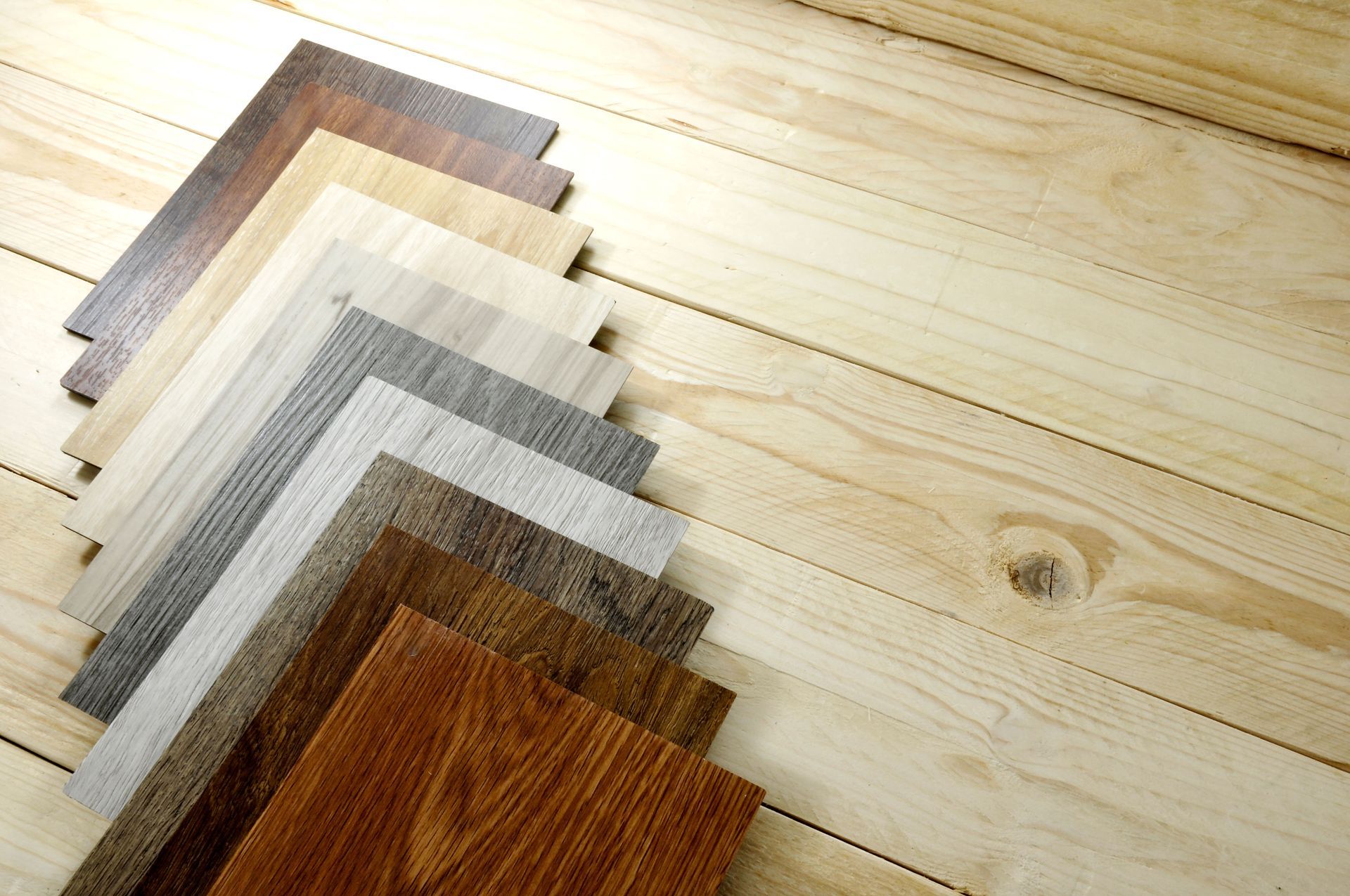
The color of flooring is a critical aspect that significantly impacts a room's aesthetics, ambiance, and overall value. In this article, we will explore how the choice of color can affect various elements of your living space and how visiting a flooring store can help you make an informed decision.
Impact on Room Ambiance
Influencing Mood
The choice of flooring color directly influences the mood of a room, affecting how it feels and is perceived. An expert flooring store will tell you that colors can evoke various emotions; for instance, blues and greens are often calming, while reds and oranges can energize a space. A well-chosen floor color can create an atmosphere that complements the room's purpose, such as using soothing tones in a bedroom or vibrant hues in a lively living area. The psychological impact of color is well-documented and should not be overlooked when choosing flooring. By aligning the floor color with the desired emotional ambiance, homeowners can create spaces that feel cohesive and purpose-driven.
Creating Warmth
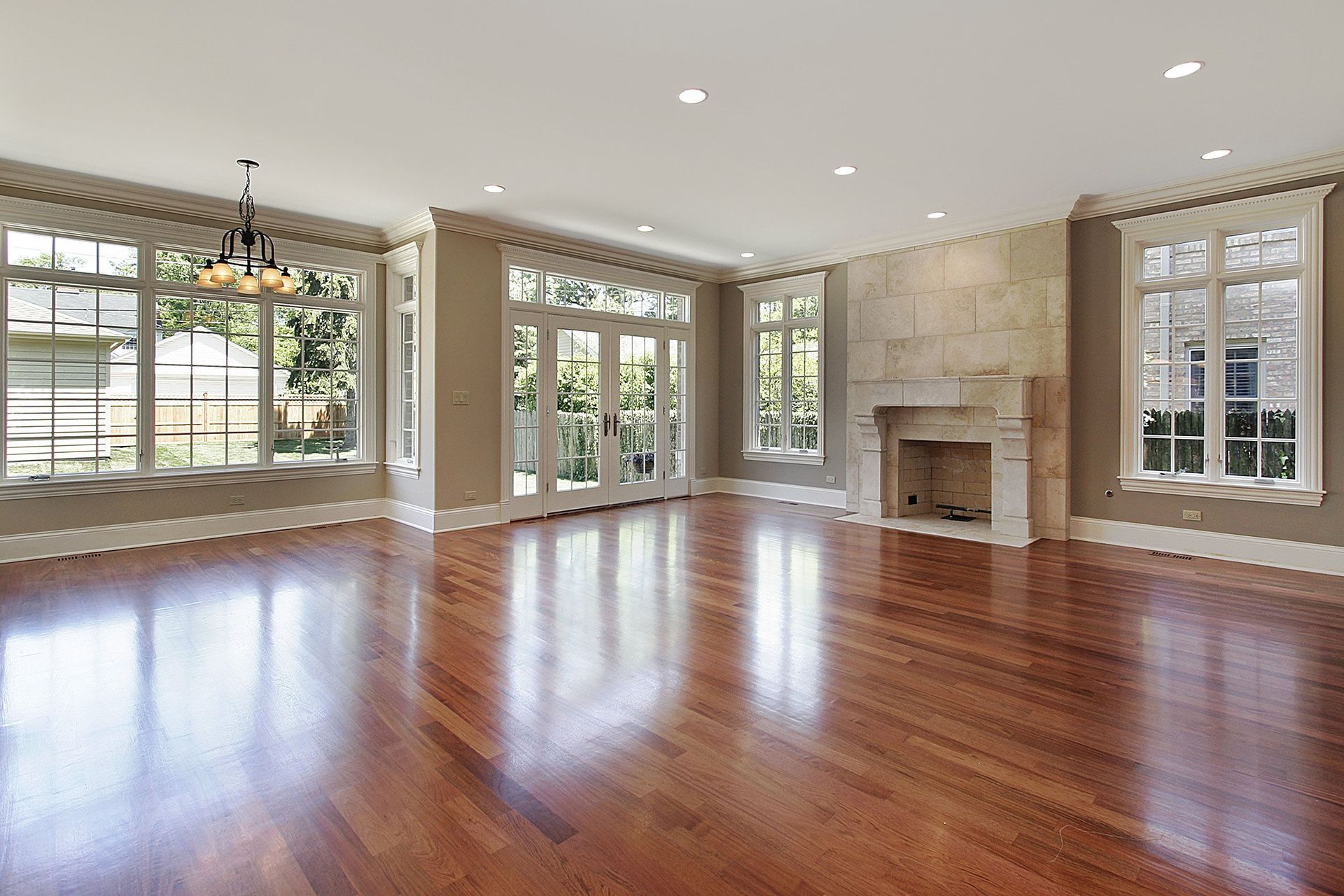
Warm colors, such as browns, tans, and rich deep reds, can make a room feel more inviting and cozy. This is especially beneficial in spaces like living rooms and bedrooms, where comfort and relaxation are priorities. Warm tones can evoke a sense of safety and intimacy, making large spaces feel more approachable and homely. According to Gitnux, dark wood tones are popular with 38% of consumers, illustrating a preference for colors that convey warmth. Selecting a warm-colored floor can transform an otherwise sterile room into a comforting retreat that reflects emotional serenity.
Enhancing Space Perception
Lighter flooring colors can significantly enhance the perception of space, making small rooms appear larger and more open. This optical illusion is especially useful in urban settings where space may be limited. By reflecting more light, lighter floors help create an airy atmosphere that feels expansive. Conversely, darker shades can offer a sense of intimacy and enclosure, which might be desirable in certain settings like libraries or dens. Ultimately, understanding the spatial implications of floor color can aid in selecting the right tone to suit the size and purpose of the room.
Reflecting Natural Light
Floors in light colors, such as oak or light pine, reflect natural light effectively, helping to brighten a room. This can be particularly advantageous in rooms with minimal windows or artificial lighting levels. By maximizing the reflection of sunlight, these floors contribute to reducing the need for additional lighting fixtures, making the space more energy-efficient. Light-reflective flooring essentially enhances the natural brightness of a room, making it feel lively and fresh. For homeowners seeking a vibrant atmosphere, selecting reflective flooring aligns aesthetics with functionality.
Coordination with Existing Decor
Matching Furniture
The right floor color can act as a seamless backdrop that complements existing furniture and enhances interior design cohesiveness. Selecting a color that harmonizes with your furniture helps maintain visual consistency and can elevate a room's design. For instance, a dark wood floor can beautifully offset lighter furniture pieces, creating an elegant contrast that highlights both elements. When renovating or redecorating, consider how the intended floor color interacts with current furnishings to avoid clashes and promote balance. The synergy between floor color and furniture is fundamental for a harmonious home environment.
Blending with Wall Colors
Integrating the floor color with the room's wall colors is crucial in creating a unified look. A well-chosen floor color provides a foundation upon which wall colors can stand out or subtly blend, depending on the desired effect. Light floorings paired with darker walls can give a room boldness without overwhelming it, while a harmonious light-to-light scheme can offer soothing consistency. By considering wall-floor color combinations, homeowners ensure the room feels balanced and professional. This results in a polished aesthetic where colors complement rather than compete with one another.
Transitioning Between Rooms
Flooring color plays a vital role in facilitating seamless transitions between different areas within a home. Consistent or coordinated colors between connecting rooms can create a cohesive flow that enhances the perceived space. When variants in color are used strategically, they can help define spaces without the need for physical barriers, maintaining an open yet organized layout. For instance, using lighter tones in hallways can lead the eye toward rooms where more intimate color palettes are used. Thoughtfully managing transitions ensures a fluid visual and physical experience throughout the home.
Effect on Property Value
Appealing to Broad Audience
Choosing neutral floor colors like beiges, grays, or light browns can widen a property's appeal to prospective buyers. Neutral tones tend to cater to a broader range of personal tastes, increasing a home's attractiveness to a diverse audience. While bold colors may suit individual preferences, they can limit appeal if they deviate far from general buyer expectations. A neutral palette allows buyers to easily envision their decor within the space, an essential factor in decision-making. This consideration for audience breadth underscores the importance of color choice in a financially sound property strategy.
Aligning with Home Style
The architecture and overall design style of a home should guide flooring color choices to ensure harmony and increased value. Flooring that reflects the home's style, whether modern, traditional, or eclectic, offers a coherent aesthetic that is attractive to future buyers. For instance, sleek, dark colors can complement modern design, while rustic tones enhance a more traditional setting. Achieving a seamless blend between floor color and architectural style enhances the perceived quality and design integrity of the property. This alignment enhances the home's character and its appeal in the market.
Color Psychology in Flooring Selection
Understanding Basics
Color psychology explores how different hues influence human emotion and behavior, an essential factor in flooring selection. Each color evokes distinct psychological experiences, shaping how a space is felt and interacted with. For example, blues may encourage relaxation, making it suitable for bedrooms, while reds can energize dining areas. Understanding these basics equips homeowners with the knowledge to choose floor colors that support the desired emotional and functional outcome. Through this psychological lens, color cements its role as a powerful tool in the decorative arsenal.
Applying Color Theory
Applying color theory to floor selection aids in crafting harmonious or striking interior designs, depending on intended effects. Understanding complementary colors can guide pairing choices, such as using contrasting shades for added vibrancy. Analogous color schemes provide pleasing gradients that flow seamlessly between elements within a room. Through color theory, homeowners can strategically use flooring colors to achieve both desired aesthetics and mood. Skillful application extends beyond basic preference, requiring an educational approach to maximize spatial harmony and effect.
Personalizing for Individual Taste
Despite broad trends and psychological guidelines, individual taste plays a pivotal role in flooring color selection. Personal preferences can guide homeowners in creating unique spaces that resonate with their style and personality. Customization in color choices allows for self-expression, turning a house into a deeply personal and inviting home. Encouraging homeowners to embrace their tastes ensures that floor selections are not only aesthetically pleasing but also personally satisfying. Balancing individual tastes with broader design principles results in a uniquely styled and comfortably personalized space.
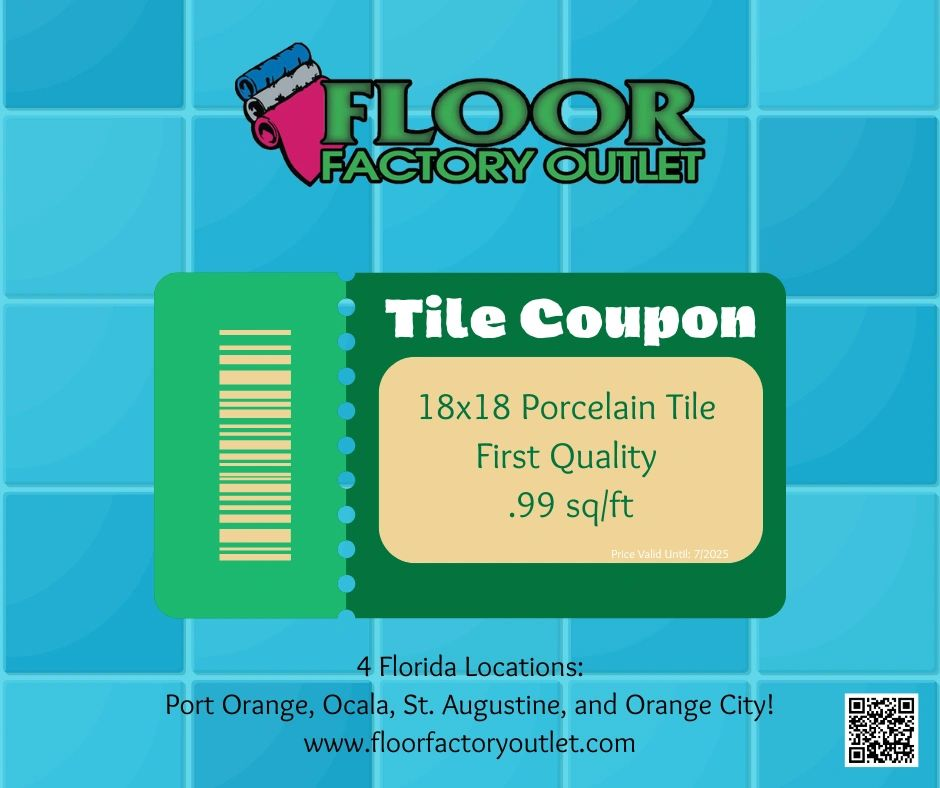
Understanding the multi-faceted impacts of flooring color on a room's look and feel is crucial in making informed choices. By considering factors like ambiance, decor coordination, market value, psychology, lighting, and maintenance, homeowners can make the best decision about flooring for their home. Reach out to Floor Factory Outlet today to visit our
flooring store and explore our products!